

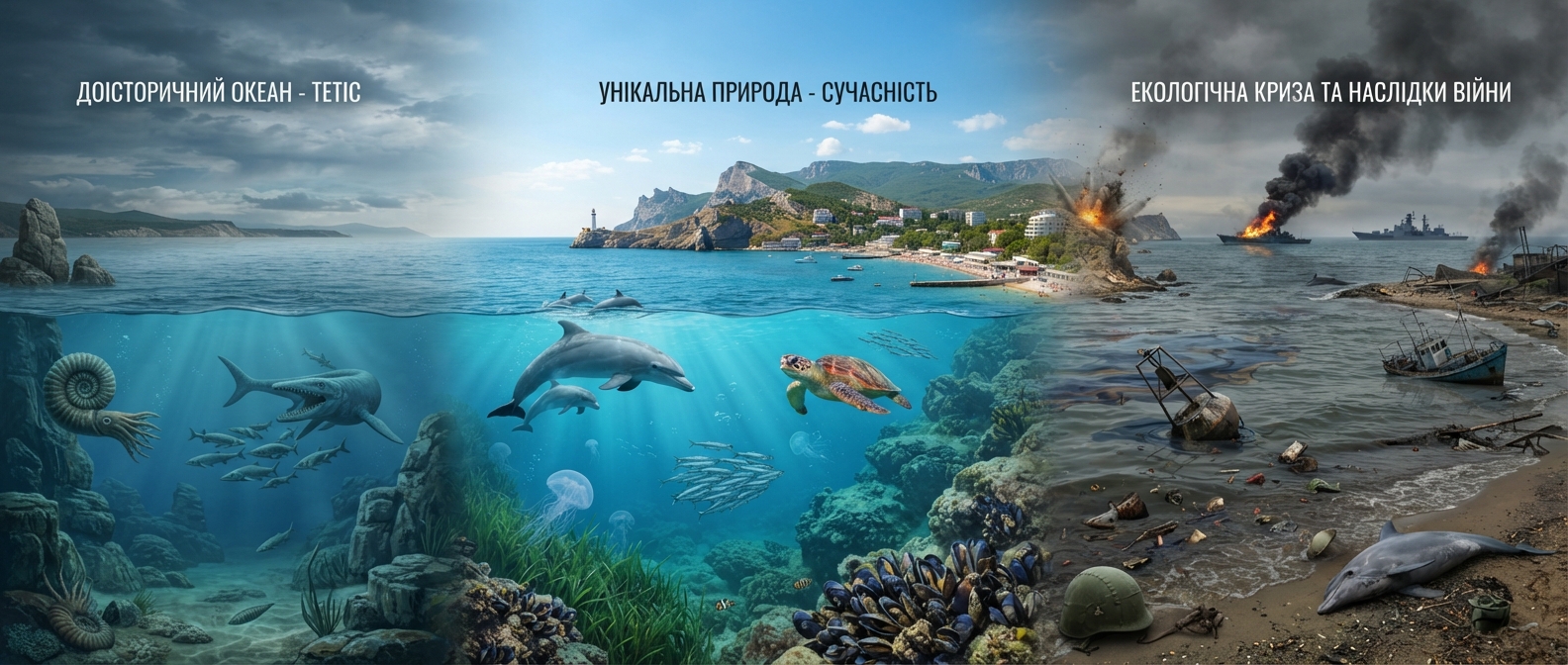
How the Black Sea was formed, why it received its name, what secrets its depths conceal, which species inhabit its waters, and how human activity and Russia’s war against Ukraine are changing one of the planet’s most vulnerable marine ecosystems.
INTRODUCTION. A SEA WE DO NOT KNOW AS WELL AS WE THINK
The Black Sea may seem familiar. For some, it is associated with summer holidays, Odesa’s beaches, waves near Crimea, fishing and seaports. For others, it brings back childhood memories, the smell of seaweed, the cries of seagulls and the endless horizon.
Yet behind this familiar picture lies an extraordinarily complex natural system.
The Black Sea is one of the most unusual seas in the world. It has almost isolated water circulation, a distinctive salinity balance, persistent water stratification and vast deep-water zones where oxygen is practically absent. Most of its water column is unsuitable for the majority of familiar marine organisms.
At the same time, its upper layers, continental shelf, bays, estuaries, river mouths and coastal ecosystems support a rich variety of life. Dolphins, porpoises, fish, molluscs, crustaceans, jellyfish, algae and numerous microscopic organisms live here. Without these organisms, the marine ecosystem could not function.
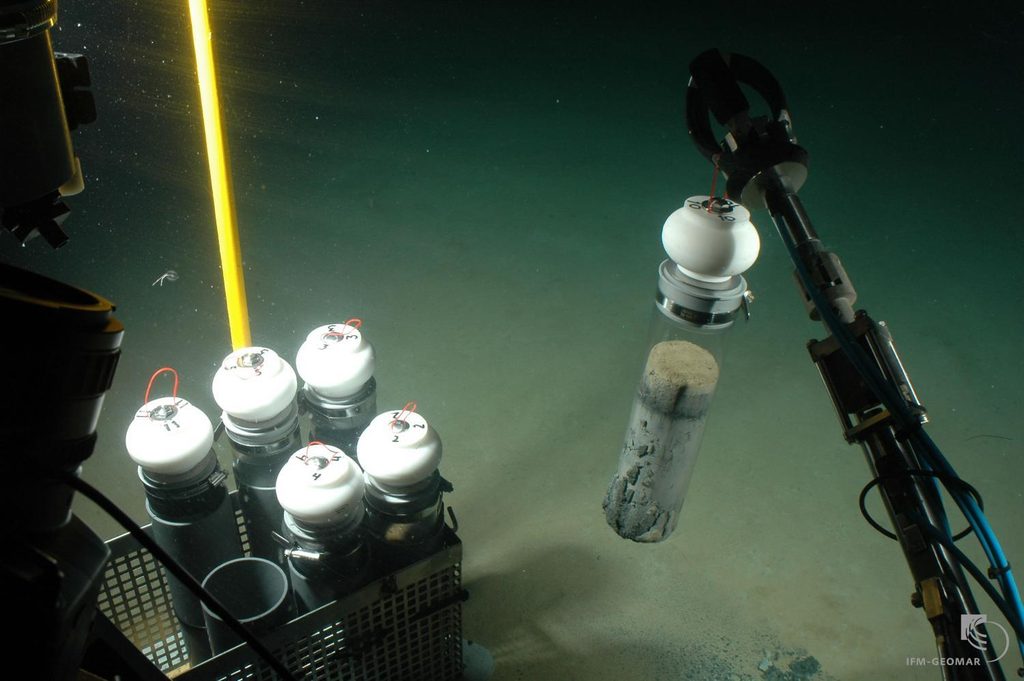
The Black Sea is also a kind of natural archive. Its seabed sediments preserve evidence of ancient climate changes, fluctuations in water levels, geological processes and human activity.
However, over recent decades this natural system has come under serious pressure. Pollution carried by rivers, overfishing, invasive species, climate change, the destruction of coastal habitats and military activity are gradually changing its ecological condition.
Russia’s full-scale war against Ukraine has added new threats: explosions, fires, fuel leaks, naval mining, damage to ports and vessels, restrictions on scientific monitoring and the catastrophic destruction of the Kakhovka Hydroelectric Power Plant.
To understand how serious these threats are, we should begin at the very beginning — with the history of the Black Sea’s formation.
1. HOW THE BLACK SEA WAS FORMED: A HISTORY SPANNING MILLIONS OF YEARS
The Black Sea did not emerge as the result of a single catastrophic natural event. Its present-day form is the outcome of a long geological history spanning tens of millions of years.
1.1. When an ocean existed where the Black Sea is today
The geological history of the Black Sea Basin is connected with the ancient Tethys Ocean, which existed between major continental landmasses during the Mesozoic and Cenozoic eras.
As tectonic plates moved, the African, Arabian and Eurasian plates converged, mountain systems formed and the Earth’s crust changed, ancient marine basins gradually transformed.
Separate tectonic depressions — the Western Black Sea Basin and the Eastern Black Sea Basin — developed in the area of the present-day Black Sea. Over time, they became part of a single basin.
This process was not rapid. It involved the subsidence of individual sections of the Earth’s crust, changes in water depth, fluctuations in sea level and the formation of sedimentary rocks.
Modern research into the geological structure of the Black Sea continues to refine this history. In particular, a 2026 study of the evolution of the Ukrainian sector of the Black Sea Basin proposes revisiting some traditional assumptions about the sea’s ancient depths. The authors suggest that, by the end of the Pliocene, the basin may have been considerably shallower than earlier geological models indicated. Its present-day great depths may have developed as a result of further basin subsidence during the Quaternary Period.
Thus, the Black Sea was not an unchanging deep body of water from the moment of its formation. Its present appearance is the result of a complex geological evolution.
1.2. Paratethys: an ancient marine world
Paratethys occupies an important place in the region’s geological history. It was an extensive system of marine basins that formed as a result of geological changes across Central and Eastern Europe and Western Asia.
At different times, this system had varying degrees of connection with the global ocean. Its bodies of water gradually became isolated, changing their salinity, water levels and the species living within them.
The Black Sea Basin inherited part of this complex history.
That is why the modern Black Sea contains species with different evolutionary origins: Mediterranean, boreal — associated with colder seas — freshwater and local species that developed under conditions of prolonged isolation.
This is one of the reasons why the Black Sea has its own distinctive biodiversity.
1.3. Was the Black Sea once a lake?
Yes. During certain geological periods, the Black Sea Basin existed as an isolated or almost isolated body of water, with predominantly fresh or slightly saline water.
During glacial periods, global sea levels dropped significantly. The connection with the Mediterranean through the Bosporus and Dardanelles may have been interrupted, and the water balance of the Black Sea Basin was determined primarily by river inflow, precipitation and evaporation.
During warmer periods, global sea levels rose and the connection with the Mediterranean was restored.
One of the best-known scientific debates concerns the hypothesis of a large-scale flooding of the Black Sea Basin approximately 7,000–9,000 years ago.
In the 1990s, geologists William Ryan and Walter Pitman proposed that, following a rise in the Mediterranean Sea level, salt water broke through a natural barrier in the Bosporus area and rapidly flooded a freshwater lake. According to their hypothesis, this may have been a major catastrophic event, sometimes linked to ancient flood legends.
However, this hypothesis has not been conclusively proven.
Subsequent research into seabed sediments, ancient shorelines, geological structures and radiocarbon dating has proposed alternative scenarios. Some scientists believe that the transition to the modern marine environment was more gradual and that, during certain periods, water continued to flow out of the Black Sea towards the Mediterranean.
A review of research conducted between 1997 and 2021, published in Earth-Science Reviews in 2022, argues that the available evidence does not support the popular scenario of sudden catastrophic flooding. Instead, it is more consistent with the hypothesis of a prolonged water exchange.
Therefore, the history of the Black Sea should not be reduced to a single flood. Its transition from a lake-like to a marine environment was part of a complex interaction between climate, global sea levels and the geological structure of the straits.
1.4. When did the Black Sea become what we know today?
The Black Sea’s present-day connection with the Mediterranean basin is maintained through a system of straits:
- The Bosporus connects the Black Sea with the Sea of Marmara.
- The Dardanelles connect the Sea of Marmara with the Aegean Sea.
- The Aegean Sea is part of the Mediterranean.
To the northeast, the Black Sea is connected to the Sea of Azov through the Kerch Strait.
These straits are crucial to water exchange, salinity, circulation and the migration of marine organisms.
The Black Sea receives substantial amounts of freshwater from rivers, including the Danube, Dnipro, Dniester, Don, Southern Buh and other waterways.
At the same time, a two-layer water exchange takes place through the Bosporus: less saline Black Sea water flows out in the upper layer, while saltier Mediterranean water enters in the deeper layer.
This feature is one of the main reasons for the Black Sea’s unusual structure.
2. WHY IS THE BLACK SEA CALLED THE BLACK SEA?
At first glance, the answer seems obvious: the water is dark, and the sea sometimes looks almost black, especially before a storm.
But the history of its name is much more interesting.
2.1. The ancient Greek Pontus Euxinus
In ancient Greek sources, the Black Sea was called Pontus Euxinus.
The name can be translated approximately as “Hospitable Sea”.
However, an earlier name existed in Greek tradition: Pontus Axeinus, interpreted as “Inhospitable Sea”.
Why the difference?
For ancient sailors, the Black Sea was a challenging place to navigate. Storms, strong currents, fog, difficult coastal conditions and limited knowledge of local geography created serious hazards.
The name “Inhospitable Sea” may therefore have reflected the sailors’ perception of its difficult conditions.
Later, the name was changed to its opposite — “Hospitable Sea”. Such a euphemism, meaning the replacement of an unpleasant name with a positive one, was a common practice in ancient cultures.
2.2. Where did the word “Black” come from?
The modern name “Black Sea” became widespread during the Middle Ages. Its origin remains a subject of historical and linguistic debate.
One well-known scholarly theory links the names of seas with an ancient system in which colours were used to indicate the cardinal directions.
In some traditions:
- Black or dark was associated with the north.
- Red was associated with the south.
- White was associated with the west.
- Green or blue was associated with the east.
According to this theory, the “Black Sea” may have meant the northern sea in relation to other territories and bodies of water.
In his encyclopaedia entry Black Sea for Encyclopaedia Iranica, researcher Rüdiger Schmitt examines this Indo-Iranian tradition of colour-based directional naming.
Other theories also exist. Some researchers associate the spread of the name with Turkic peoples, particularly their tradition of using colours to designate directions. Others point to medieval Hungarian, Khazar, Bulgar and Cuman sources.
Therefore, there is no single conclusively proven explanation for the origin of the modern name.
But one thing can be stated with confidence: the sea was not called black because its water is permanently black.
2.3. Is the water of the Black Sea really black?
No. Water colour depends on lighting, depth, transparency, the amount of suspended particles, plankton, algae and weather conditions.
On a sunny day, the water may appear light blue, deep blue or greenish. During a storm, it becomes darker, while in shallow areas it may take on a greenish or brownish hue.
At great depths, almost no light penetrates, making the water appear very dark.
However, this is only part of the explanation. The historical name cannot reliably be derived from the colour of the water.
3. THE BLACK SEA’S UNIQUE FEATURES: A SEA OF TWO WORLDS
The Black Sea has one of the most unusual vertical structures among the world’s large marine basins.
Its defining feature is that its upper and deep waters barely mix.
3.1. Size and key characteristics
The main physical and geographical parameters of the Black Sea are as follows:
| Parameter | Approximate value |
|---|---|
| Surface area | 423,000 km² |
| Water volume | 547,000 km³ |
| Maximum depth | 2,212 m |
| Average depth | 1,300 m |
| Average surface salinity | 17–18‰ |
| Coastline length | 4,700 km |
These values may vary slightly depending on the measurement method and the boundaries used to define the basin.
The Black Sea washes the shores of Ukraine, Bulgaria, Georgia, Romania, Türkiye and Russia.
Its surface area is approximately equal to that of Sweden, while its maximum depth exceeds two kilometres.
But the most fascinating features are not on the surface — they lie beneath it.
3.2. Why is the Black Sea stratified?
In most seas, water is constantly mixed by wind, currents, cooling and other processes.
The situation in the Black Sea is different.
The upper layer has lower salinity because it receives substantial amounts of freshwater from rivers and precipitation.
Deeper waters are saltier because they enter from the Mediterranean through the Bosporus.
Salt water is denser than less saline water. It therefore sinks, while the lighter surface water remains above it.
A stable boundary forms between these layers — the pycnocline, a zone in which water density changes sharply.
It prevents vertical mixing.
As a result, surface waters receive oxygen from the atmosphere and through the photosynthesis of algae and phytoplankton, while deep waters are hardly replenished with oxygen at all.
3.3. The hydrogen sulphide zone: why most of the sea is almost lifeless
This is one of the Black Sea’s best-known features.
Hydrogen sulphide — a toxic chemical compound produced by microorganisms in the absence of oxygen — accumulates in its deep waters.
Organic remains that sink to the seabed decompose. In deep, oxygen-free conditions, bacteria use sulphates instead of oxygen, producing hydrogen sulphide.
According to biogeochemical research, oxygen is present mainly in the upper layer, down to approximately 100–150 metres. However, the actual depth of the oxygen boundary varies depending on the area and environmental conditions.
Approximately 87% of the Black Sea’s total volume consists of oxygen-free waters containing hydrogen sulphide.
This means that most of its deep-water volume is unsuitable for the survival of familiar multicellular marine organisms.
It is important to understand that the presence of hydrogen sulphide does not mean that the entire Black Sea is poisonous or that the gas is constantly reaching the surface. It is concentrated in deep layers separated from surface waters.
A fully functioning marine ecosystem exists in the upper layers, where oxygen is available.
3.4. Could hydrogen sulphide rise to the surface?
In theory, changes in the vertical structure of the water can affect the boundary between oxygenated and oxygen-free layers.
However, popular scenarios about an inevitable “Black Sea explosion” or the sudden poisoning of the entire coastline with hydrogen sulphide are not supported by sufficient scientific evidence.
The deep hydrogen sulphide zone is a natural characteristic of the Black Sea, not a new environmental catastrophe.
At the same time, disturbances in the water balance, warming, changes in circulation and increased organic pollution can affect oxygen conditions in the upper waters and coastal zones.
These are precisely the processes that require systematic monitoring.
3.5. Why is the Black Sea so vulnerable to pollution?
The Black Sea is a semi-enclosed basin. It has limited water exchange with the Mediterranean, while its deep waters are renewed very slowly.
This means that pollutants entering the sea may remain in its ecosystem for a long time.
Rivers bring more than just freshwater into the sea. They also carry:
- Fertiliser residues.
- Pesticides.
- Industrial wastewater.
- Heavy metals.
- Domestic sewage.
- Plastic and microplastics.
- Organic substances.
The Danube plays a particularly important role. It is one of Europe’s largest rivers, and it carries a significant share of nutrients and pollutants from its vast catchment area into the north-western Black Sea.
In other words, the ecological condition of the Black Sea depends not only on the countries with direct access to its coastline. It also depends on human activity far inland across the European continent.
4. WHO LIVES IN THE BLACK SEA: FROM MICROSCOPIC ORGANISMS TO DOLPHINS
Despite its enormous oxygen-free deep-water zone, the upper waters of the Black Sea are inhabited by a great variety of living organisms.
Biodiversity here is lower than in the Mediterranean. According to the Black Sea Commission, the species composition of Black Sea fauna is approximately three times less diverse than that of the Mediterranean. However, this does not make its ecosystem any less important.
On the contrary, many local species have adapted to the sea’s specific salinity, temperature and oxygen conditions.
4.1. Plankton — the foundation of marine life
Plankton is a collective term for organisms that drift in the water column and cannot independently overcome currents.
It is divided into two major groups.
Phytoplankton consists of microscopic algae and other photosynthetic organisms. They use sunlight, absorb carbon dioxide and produce organic matter and oxygen.
Zooplankton consists of small animal organisms, fish larvae, crustaceans and other creatures that feed on phytoplankton or other components of the plankton community.
Plankton forms the foundation of the Black Sea’s food webs.
It provides food for small fish, the larvae of many species, jellyfish and other marine organisms.
Changes in plankton abundance can affect the entire ecosystem — from fish populations to the condition of marine mammals.
4.2. Algae and marine plants
Green, brown and red algae are widespread in the Black Sea.
Underwater plant communities are particularly important, including seagrass meadows formed by Zostera species.
Unlike algae, seagrass is a true flowering plant. It forms underwater meadows that:
- Provide habitats for small fish and invertebrates.
- Serve as feeding grounds and shelter.
- Stabilise seabed sediments.
- Reduce water turbidity.
- Contribute to the accumulation of organic carbon.
Seagrass meadows are important habitats for marine fauna.
Their decline due to pollution, sedimentation, construction and other factors has a negative impact on biodiversity.
4.3. Mussels, oysters, rapa whelks and other molluscs
The Black Sea is home to numerous mollusc species.
These include:
- Black Sea mussels.
- Oysters.
- Sea snails.
- Bivalve molluscs.
- Cephalopods, including octopuses in certain areas.
Mussels play an important ecological role. They filter water by trapping suspended particles and microorganisms, while also creating habitats for other organisms.
There is another side to this process: molluscs can accumulate pollutants in their tissues. This is why they are used in scientific monitoring of the marine environment.
Particular attention is drawn to the veined rapa whelk (Rapana venosa) — a large predatory sea snail originating from the Pacific region.
It entered the Black Sea through the transport of larvae by ships and established itself in the new environment.
The rapa whelk feeds on bivalve molluscs, including mussels and oysters. Its spread has become one of the factors changing the structure of benthic communities.
4.4. Fish of the Black Sea
The Black Sea has a diverse fish fauna. Some species live here permanently, while others migrate between the sea, estuaries and rivers.
Well-known representatives include:
Mullets. This group includes several fish species that feed on organic matter, algae and small invertebrates. They are of considerable commercial importance.
European anchovy, or khamsa. One of the region’s most important commercial fish. It forms large schools and is a key link in the food chain.
European sprat. A small pelagic fish that feeds on plankton and serves as food for larger predators.
Horse mackerel. An active predatory fish that feeds on smaller fish and invertebrates.
Black Sea turbot. A large bottom-dwelling fish with significant commercial value.
Sturgeons. Several sturgeon species belong to the Black Sea Basin. They use rivers for spawning or migration. Their populations have declined sharply due to dams, pollution, the destruction of spawning grounds and poaching.
Seahorses. Unusual representatives of marine fauna that live among algae and underwater vegetation. Their survival depends on the preservation of coastal habitats.
4.5. Jellyfish: more than just an inconvenience for beachgoers
Several jellyfish species inhabit the Black Sea.
The best known include:
- Moon jelly (Aurelia aurita).
- Barrel jellyfish, or rhizostome jellyfish (Rhizostoma pulmo).
Jellyfish are part of the natural food web. They consume plankton and small organisms and, in turn, become food for certain fish and marine turtles that occasionally enter the basin.
A significant increase in jellyfish numbers may be associated with changes in environmental conditions, including fluctuations in plankton abundance, temperature, salinity and pressure on their natural competitors.
However, not every large jellyfish aggregation is a sign of an environmental catastrophe. Long-term observations are required before any conclusions can be drawn.
4.6. Black Sea dolphins
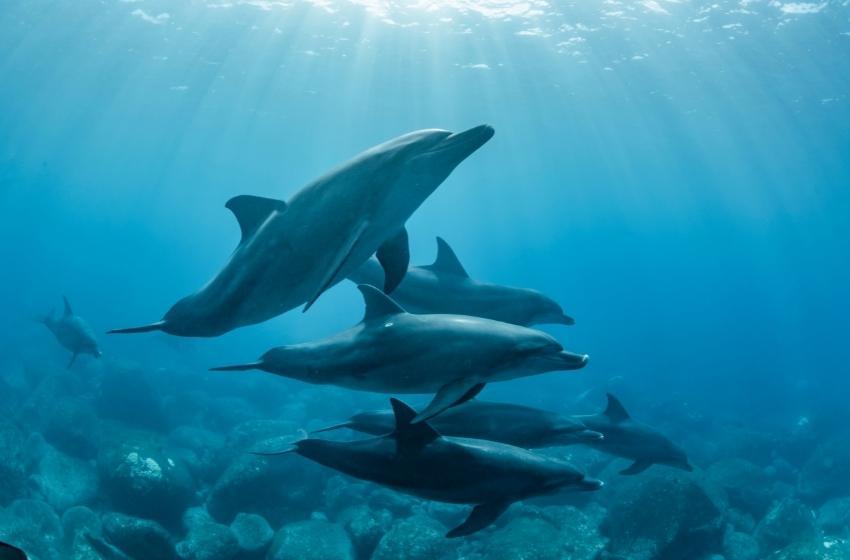
One of the best-known symbols of the Black Sea is the dolphin.
Three main cetacean species, each with local Black Sea forms, inhabit its waters:
- Black Sea bottlenose dolphin (Tursiops truncatus ponticus).
- Black Sea common dolphin (Delphinus delphis ponticus).
- Black Sea harbour porpoise, also known as the Azov porpoise (Phocoena phocoena relicta).
They differ in size, lifestyle, feeding habits and behaviour.
Bottlenose dolphins generally have more robust bodies, distinctive short beaks and well-developed social bonds.
Common dolphins often form large groups and actively travel through open waters.
Harbour porpoises are considerably smaller than dolphins and have a different head and snout shape. They are less conspicuous but play an important role in coastal ecosystems.
These animals are predators near the top of the food chain. Their condition reflects, to a considerable extent, the health of the marine ecosystem.
In 2024, the journal Frontiers in Marine Science published the results of a large-scale aerial survey of Black Sea cetaceans conducted as part of the CeNoBS project.
In 2019, researchers surveyed 7,344 kilometres of flight routes over the waters of five countries and recorded 1,744 cetacean sightings.
The model-based abundance estimates, which were not corrected for the probability of detection or the availability of animals for observation, were:
- Approximately 108,283 common dolphins.
- Approximately 22,720 bottlenose dolphins.
- Approximately 93,808 harbour porpoises.
These figures should not be interpreted as an exact census of all animals. They are model-based estimates derived from a specific study conducted in the summer of 2019.
Nevertheless, they provided an important baseline for assessing population status and planning conservation measures.
4.7. The Mediterranean monk seal: a species we have almost lost
The Mediterranean monk seal (Monachus monachus) is one of the rarest marine mammals in the world.
Historically, it inhabited various areas of the Black and Mediterranean seas. However, its numbers declined dramatically due to hunting, the destruction of breeding sites, tourism, fishing and other factors.
Today, the main known populations of this species are primarily associated with the Mediterranean Sea and adjacent areas of the Atlantic.
Its presence in the Black Sea region is extremely rare.
Therefore, the monk seal should not be imagined as an ordinary inhabitant of today’s Ukrainian coastline. It is rather a symbol of how profoundly human activity can transform the natural world.
4.8. Why is the Black Sea’s biodiversity unique?
The uniqueness of Black Sea fauna lies not only in individual species but also in the combination of different biogeographical groups.
These include:
- Species of Mediterranean origin.
- Relict cold-water organisms.
- Freshwater species entering the sea through rivers.
- Endemic forms that developed under conditions of regional isolation.
- Alien species introduced by human activity.
Some local organisms have a broad tolerance to changes in salinity, temperature and oxygen conditions. This helps them survive significant natural fluctuations.
However, such adaptability does not mean that the ecosystem can withstand any level of pollution or habitat destruction.
5. THE MAIN ENVIRONMENTAL PROBLEMS OF THE BLACK SEA
The Black Sea’s environmental problems did not appear overnight. They developed over decades as a result of industrial growth, intensive agriculture, river pollution, overfishing, coastal urbanisation and insufficient protection of natural areas.
5.1. Eutrophication: when excess nutrients harm the sea
Eutrophication is the process by which water becomes excessively enriched with nutrients, primarily nitrogen and phosphorus compounds.
At first glance, this may seem beneficial: more nutrients mean more algae and, consequently, more life.
But in a marine ecosystem, excessive nutrients disrupt the natural balance.
The main sources include:
- Agricultural fertilisers.
- Waste from livestock farms.
- Insufficiently treated domestic wastewater.
- Industrial wastewater.
- River pollution.
- Atmospheric deposition of nitrogen oxides.
When nutrient concentrations become too high, phytoplankton may begin to multiply rapidly.
This leads to intense algal blooms.
When large quantities of algae die, their remains sink to the seabed and are decomposed by microorganisms. This decomposition consumes oxygen.
If oxygen levels become too low, hypoxia — oxygen depletion in the water — occurs.
In severe cases, zones may develop where oxygen concentrations are so low that marine organisms cannot survive.
This can lead to mass mortality among fish, molluscs and other marine life.
The north-western part of the Black Sea is particularly vulnerable because it receives substantial amounts of river water.
5.2. Pollution from industrial and domestic wastewater
The Black Sea receives water from an enormous drainage basin covering a significant part of Europe.
Along with river water, the sea receives:
- Heavy metals.
- Petroleum products.
- Industrial chemical residues.
- Pesticides.
- Pharmaceutical substances.
- Detergents.
- Domestic pollutants.
Substances that break down slowly and can accumulate in seabed sediments and the tissues of organisms are particularly dangerous.
Heavy metals such as mercury, cadmium, lead and copper can enter food chains.
This creates risks not only for marine organisms but also for people who consume contaminated fish and seafood.
5.3. Plastic and microplastics
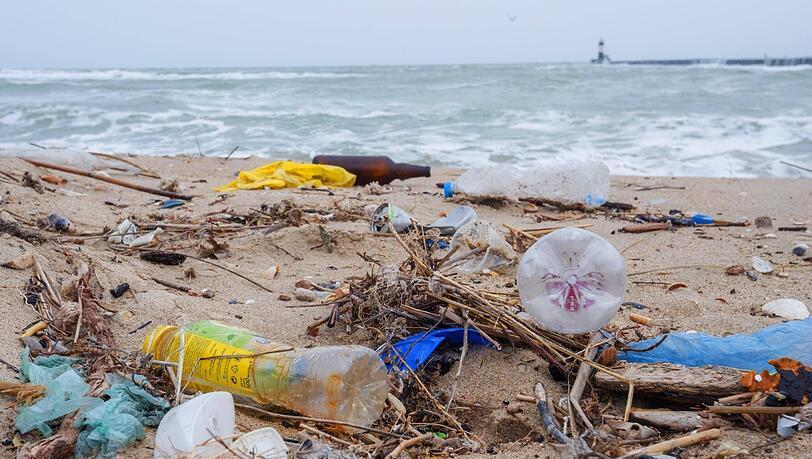
Plastic pollution is one of the most visible problems affecting the Black Sea.
Plastic enters the water through:
- Household waste.
- River runoff.
- Tourist areas.
- Fishing nets and equipment.
- Shipping.
- Industrial sites.
Under the influence of sunlight, waves and mechanical abrasion, large plastic objects gradually break down into smaller particles.
Particles smaller than five millimetres are called microplastics.
They can enter the bodies of plankton, molluscs, fish and other animals.
In a 2025 report on the implementation of measures under the Marine Strategy Framework Directive, the European Commission highlighted significant plastic pollution in the Black Sea. According to the figures cited in the document, up to 652 items of litter per 100 metres of coastline were recorded on Black Sea beaches, with single-use plastics particularly common.
The document also cites a 2021 study which found that the overall chemical pollution of the Black Sea was approximately 3–8 times higher than in the Mediterranean Sea and 2–7 times higher than in the north-east Atlantic.
These comparisons relate to a specific study and its selected set of pollutants. They should not be treated as universal indicators for every part of the sea or every group of chemical substances.
5.4. Overfishing
Fishing is an important part of the economy of Black Sea countries.
However, excessive catches can disrupt the natural balance of fish populations.
Species that grow slowly, reach sexual maturity late or have limited spawning grounds are particularly vulnerable.
These include sturgeons and certain commercially valuable bottom-dwelling fish.
Overfishing can lead to:
- Declining population numbers.
- Changes in age structure.
- A reduction in the number of large individuals.
- Disruption of food webs.
- Reduced genetic diversity.
Illegal fishing, which often takes place beyond the reach of official control, poses an additional threat.
5.5. Invasive species: when an alien guest changes an entire ecosystem
Invasive species are organisms introduced beyond their natural range that begin spreading rapidly and causing harm to local ecosystems.
One of the best-known examples in the Black Sea is the comb jelly Mnemiopsis leidyi.
This organism originates from the western Atlantic. Its introduction into the Black Sea is associated with ships’ ballast water.
The comb jelly feeds on zooplankton, fish eggs and fish larvae.
During the 1980s, its rapid spread became one of the factors that seriously disrupted food webs and reduced the food supply available to commercial fish.
Later, another comb jelly, Beroe ovata, appeared in the Black Sea. It feeds on Mnemiopsis leidyi.
This helped partially reduce the abundance of the invasive species.
However, this natural interaction does not mean that the ecosystem has fully recovered. It demonstrates how complex the consequences of introducing alien species can be.
Another example is the rapa whelk, which affects the abundance of mussels and oysters.
5.6. Destruction of coastal ecosystems
The Black Sea coastline is more than just beaches and resort towns.
It contains:
- Estuaries.
- River deltas.
- Salt marshes.
- Lagoons.
- Reed beds.
- Seagrass meadows.
- Sandy spits.
- Rocky shores.
- Wetlands.
These areas provide breeding, feeding and resting grounds for numerous species of birds, fish, amphibians and invertebrates.
The construction of ports, dams, roads, hotels and industrial facilities, sand extraction and uncontrolled coastal development can lead to the loss of natural habitats.
It is particularly important to protect the Danube, Dniester and Dnipro deltas, as well as other wetlands of international conservation importance.
6. THE BLACK SEA DURING THE WAR: A NEW SCALE OF ENVIRONMENTAL THREAT
War harms not only people, cities, infrastructure and the economy. It also changes natural systems, and the consequences may become apparent years after the fighting has ended.
Since Russia launched its full-scale invasion of Ukraine on 24 February 2022, the Black Sea has become one of the regions where military activity directly affects the marine environment.
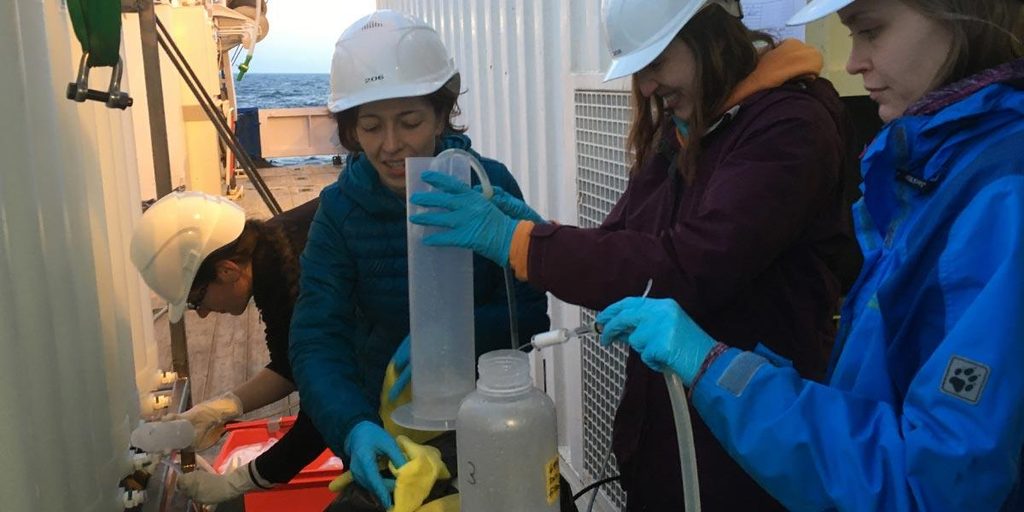
The environmental consequences of the war are difficult to assess fully. Some areas remain dangerous to investigate, access to certain locations is restricted, and regular monitoring has become more difficult.
That is why preliminary assessments must not be presented as final results.
6.1. Petroleum products and chemical pollution
During military operations, vessels, port infrastructure, fuel storage facilities and industrial sites may be damaged.
Strikes can cause fires and leaks of fuel, lubricants and other hazardous substances.
Oil and petroleum products affect marine organisms in several ways:
- They form films on the water’s surface.
- They reduce gas exchange.
- They contain toxic compounds.
- They accumulate along coastlines and in seabed sediments.
- They may build up in the tissues of living organisms.
Polycyclic aromatic hydrocarbons are particularly dangerous. This group of chemical compounds includes substances with carcinogenic and mutagenic properties.
In 2026, the journal Marine Pollution Bulletin published a study by Ukrainian scientists on war-related pollution in the coastal waters of the Black Sea.
The researchers combined several sources of information:
- Regular hydrochemical observations from 2019 to 2025.
- Analysis of priority pollutants during 2023–2025.
- Chemical analysis of oil-containing materials found along the coastline.
- Modelling of possible pollution pathways.
The study showed that the full-scale war created new episodic pathways through which pollutants entered the coastal waters of the Odesa region.
This is an important example of how scientific observations can help distinguish actual pollution from assumptions about its origin.
6.2. Explosions and underwater noise
Marine animals depend heavily on sound.
For cetaceans, sound is essential. They use acoustic signals to navigate, find food, communicate and detect obstacles.
Military explosions, sonar systems, the movement of military vessels and underwater detonations create acoustic pressure.
Possible consequences include:
- Disorientation.
- Stress responses.
- Changes in behaviour.
- Disrupted communication.
- Temporary or long-term displacement from certain areas.
For some species, intense acoustic exposure may damage their hearing systems.
At the same time, it is important to distinguish between the scientifically established mechanisms of underwater noise impacts and specific estimates of the number of animals killed. Without systematic observations, it is impossible to determine reliably how many dolphins died as a result of each explosion or military operation.
6.3. Sea mines
The mining of the Black Sea poses a threat not only to shipping.
Sea mines can:
- Explode when they come into contact with vessels or other objects.
- Drift under the influence of currents.
- Damage marine organisms.
- Endanger fishing equipment.
- Complicate monitoring and restoration work in marine ecosystems.
The uncertain location of individual mines and other explosive hazards is a particularly serious problem.
They may remain a threat even after active hostilities have ended.
However, claims about the specific scale of environmental pollution caused by mines require separate research. The mere fact that an area has been mined does not automatically establish the number of damaged habitats or dead organisms.
6.4. Sunken vessels and military equipment
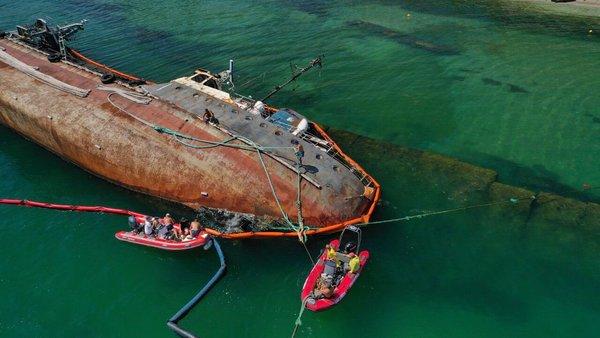
Damaged or sunken vessels may become sources of long-term pollution.
Their hulls may contain:
- Diesel fuel.
- Lubricants.
- Hydraulic fluids.
- Paints and coatings containing hazardous components.
- Batteries.
- Chemical materials.
- Other technical substances.
When hulls deteriorate, these substances may gradually enter the water.
A separate risk is posed by ammunition and explosive materials.
However, not every sunken vessel automatically causes a large-scale environmental disaster. The level of risk depends on the type of vessel, its cargo, the amount of fuel on board, the condition of the hull, the depth and the possibility of containing leaks.
Each such object therefore requires an individual technical and environmental assessment.
6.5. Destruction of protected natural areas
War makes the protection of natural areas more difficult.
Scientists and conservationists may lose access to protected waters, bird nesting sites, estuaries and coastal landscapes.
Military activity can cause:
- Fires.
- Damage to vegetation.
- Soil destruction.
- Water pollution.
- Disruption of seasonal migrations.
- Destruction of breeding sites.
- Suspension of environmental monitoring.
Areas where natural processes have already been disturbed by previous economic activity are particularly vulnerable.
6.6. Can war also have temporary positive environmental effects?
A 2025 review in Ecological Processes, devoted to the impact of the Russian-Ukrainian war on biodiversity in the northern Black Sea, drew attention to the complex nature of these consequences.
Alongside negative impacts — explosions, pollution, fires, habitat destruction and flooding — the researchers also described a temporary reduction in certain forms of human pressure.
Restrictions on shipping, fishing, trawling, tourism, construction and other economic activities reduced direct human pressure on the marine environment in some areas.
This does not mean that war is beneficial to nature.
It simply means that an ecosystem may respond differently to different types of human activity. A temporary suspension of certain activities cannot compensate for toxic pollution, explosions, habitat destruction and the long-term consequences of military operations.
7. THE KAKHOVKA HYDROELECTRIC POWER PLANT: A DISASTER THAT REACHED THE BLACK SEA
On 6 June 2023, the destruction of the Kakhovka Hydroelectric Power Plant caused a massive release of water from the Kakhovka Reservoir.
This event became one of the largest environmental disasters in Ukraine’s modern history.
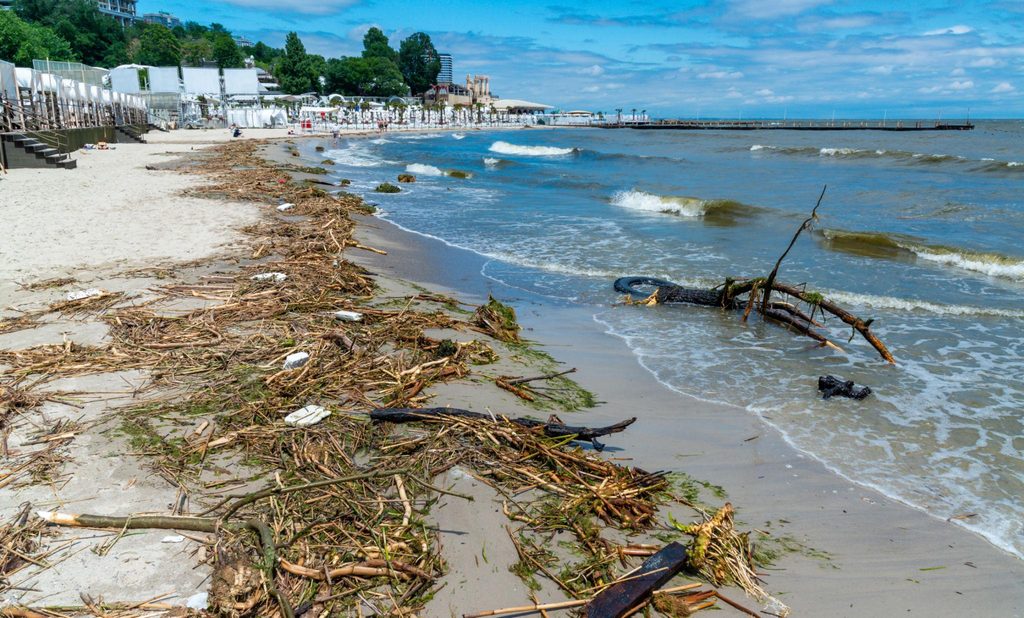
The consequences extended far beyond flooded settlements, damaged agricultural land and the loss of water resources. An enormous volume of freshwater, together with pollutants, reached the Dnipro-Buh Estuary and the north-western part of the Black Sea.
7.1. What entered the sea?
When the dam was destroyed, the following substances and materials may have entered the sea:
- Reservoir bottom sediments.
- Domestic wastewater.
- Industrial pollutants.
- Petroleum products.
- Fertiliser residues.
- Pesticides.
- Waste from flooded industrial facilities.
- Dead animals.
- Plastic and construction debris.
Researchers emphasise that it is difficult to establish the full composition and total volume of all substances that reached the marine environment.
Some pollutants may have travelled long distances, others may have settled in seabed sediments, while some may have altered the chemical condition of the water.
7.2. What satellite studies revealed
In March 2025, Communications Earth & Environment published a study on the biogeochemical response of the north-western Black Sea to the destruction of the Kakhovka Dam.
The authors combined satellite imagery, hydrological modelling and available field measurements.
According to the study’s estimates:
- The destruction of the dam released approximately 14.4 billion cubic metres of water.
- The impact of the water discharge covered more than half of the studied area of the north-western Black Sea.
- Chlorophyll-a concentrations and suspended particles in certain areas exceeded normal levels by more than 50 times.
- A significant increase in nitrate and phosphate concentrations was recorded in the coastal zone near Odesa.
- An intense algal bloom developed within a week of the disaster and lasted approximately 20 days.
These findings demonstrate that the consequences of the dam’s destruction extended far beyond the flooded area.
7.3. How did freshwater affect marine life?
Water salinity is critically important to marine organisms.
The inhabitants of the Black Sea are adapted to a certain range of salinity. A sudden decrease can cause severe physiological stress.
In 2023, scientists studied the response of benthic organisms in coastal waters following the arrival of freshwater from the Kakhovka Reservoir.
In the studied areas, salinity at a depth of 0–3 metres remained below 8‰ from June until mid-July.
Mass mortality of the introduced Mediterranean mussel Mytilus galloprovincialis was recorded. According to the review’s authors, approximately 39.6% of its population in the studied area died.
The total biomass of dead mussels of all species in this area was estimated at approximately 3,680 tonnes.
At the same time, the native mussel species Mytilaster lineatus, which tolerates fluctuations in salinity more effectively, showed an increase in abundance.
This example demonstrates that the same environmental event can affect different species in very different ways.
7.4. Fish mortality and disruption of food webs
Following the dam’s destruction, a large quantity of freshwater fish entered the marine environment.
Some fish died because of the sudden change in salinity, while others were affected by deteriorating environmental conditions.
The remains of dead organisms began to decompose, consuming oxygen and altering the chemical condition of the water.
This may have affected plankton, benthic invertebrates, fish and food webs as a whole.
Importantly, the consequences are not limited to the immediate death of fish. The loss of spawning grounds, food resources and natural habitats may affect populations for several generations.
7.5. Can the long-term damage already be assessed?
Not fully.
The 2025 study explicitly points to the need for further monitoring.
The military situation restricted scientists’ access to certain areas of the Dnipro-Buh Estuary and the north-western Black Sea.
Furthermore, satellite data can be used to assess changes in surface waters, but they do not provide complete information about deep-water layers or seabed sediments.
Additional research is needed into:
- Heavy metal concentrations in seabed sediments.
- The condition of plankton communities.
- The biodiversity of benthic organisms.
- The accumulation of pollutants in fish.
- The condition of spawning grounds.
- Long-term changes in aquatic ecosystems.
The consequences of the disaster have therefore not yet run their course. Some may become apparent only gradually.
8. HOW CLIMATE CHANGE IS TRANSFORMING THE BLACK SEA
War is not the only factor changing the Black Sea.
Global warming affects water temperature, seasonal circulation, oxygen conditions, species distribution and the intensity of biological processes.
8.1. Rising water temperatures
Higher temperatures can affect:
- The metabolic rates of marine organisms.
- Spawning periods.
- Fish migrations.
- Seasonal phytoplankton blooms.
- The distribution of warm-water species.
- The rate of organic matter decomposition.
Warmer water holds less dissolved oxygen than colder water.
As a result, warming may intensify oxygen-related problems in areas that already experience high levels of organic pollution.
8.2. Changes in circulation and stratification
Temperature and salinity affect water density.
If the surface layer becomes warmer or its salinity changes, vertical mixing may become stronger or weaker.
These changes are particularly important for the Black Sea, where the water column is already strongly stratified.
They may affect the transport of oxygen, nutrients and pollutants.
8.3. Shifting ranges of marine organisms
As temperatures change, some species may expand their ranges, while others may see theirs shrink.
Warm-water species may appear in areas where conditions were previously less favourable for them.
Cold-water organisms, by contrast, may lose suitable habitats.
For fisheries, this means changes in the availability of commercial species, the seasons in which they appear and the composition of catches.
8.4. Sea-level rise and coastal erosion
Rising global sea levels may affect low-lying coastal areas, estuaries, river deltas and sandy spits.
Combined with natural processes and human activity, this may intensify coastal erosion, flooding and the loss of wetlands.
For Ukraine, the Danube and Dniester deltas, as well as low-lying sections of the north-western coastline, are particularly important.
9. CAN THE BLACK SEA RECOVER?
Yes. Natural ecosystems have the capacity to recover. However, this process is not automatic and does not happen at the same speed in every area.
The Black Sea Commission reports several positive trends observed as a result of international cooperation and environmental protection measures:
- Reduced inflows of certain priority pollutants.
- A decline in the volume of insufficiently treated wastewater.
- A reduction in the number and volume of certain oil spills.
- Lower phosphorus concentrations compared with previous decades.
- A decrease in the intensity of some algal blooms.
- An increase in food-web-supporting zooplankton.
- Partial recovery of certain fish stocks.
However, the Commission emphasises that these positive changes remain unstable and that the overall ecological condition of the sea is still problematic.
9.1. What is needed for recovery?
1. Wastewater treatment.
Modernising sewage systems and wastewater treatment facilities must be one of the main priorities.
2. Controlling agricultural runoff.
The amount of fertilisers and pesticides entering rivers must be reduced. This requires more precise fertiliser application and the creation of protective buffer strips along waterways.
3. Combating illegal fishing.
Effective control, scientifically justified quotas, the protection of spawning grounds and the recovery of rare species are essential.
4. Protecting natural habitats.
Particular attention must be paid to river deltas, estuaries, seagrass meadows, protected areas and bird breeding grounds.
5. Controlling invasive species.
It is important to prevent the introduction of new alien organisms, particularly through ships’ ballast water.
6. Systematic monitoring.
Without regular measurements, it is impossible to assess the actual condition of the sea or the effectiveness of environmental protection measures.
7. International cooperation.
The Black Sea does not belong to a single country. Pollution, currents, fish migrations and the movements of marine mammals do not stop at national borders.
That is why restoring its ecosystem requires joint action by all countries in the region.
9.2. Who is responsible for protecting the Black Sea?
International and national organisations play an important role.
The Commission on the Protection of the Black Sea Against Pollution is an intergovernmental body established under the 1992 Bucharest Convention.
The European Commission supports research, monitoring and environmental programmes within the framework of European environmental policy.
The United Nations Environment Programme (UNEP) participates in international environmental assessments and conservation initiatives.
The World Bank supports the Blueing the Black Sea programme, which aims to improve regional management of marine resources, reduce pollution and restore ecosystems.
Ukrainian scientific institutions, including the Institute of Marine Biology of the National Academy of Sciences of Ukraine and the Ukrainian Scientific Centre of Ecology of the Sea, conduct research into biodiversity, hydrochemical conditions, pollution and changes in the marine environment.
9.3. Why is it important to restore the sea now?
The restoration of the ecosystem cannot be postponed until the war is over.
Some natural processes require a long time. If data are not collected today, tomorrow we may lose the opportunity to determine precisely what caused particular changes.
That is why it is necessary to:
- Preserve all available monitoring results.
- Use satellite observations.
- Document pollution incidents.
- Develop restoration plans.
- Protect natural conservation areas.
- Prepare clean-up and recovery programmes for the post-war period.
Marine ecosystems do not follow a political calendar. They change every day.
10. THE BLACK SEA AND UKRAINE: NOT JUST A NATURAL RESOURCE, BUT PART OF OUR SECURITY
The Black Sea is of strategic importance to Ukraine.
It provides:
- Transport corridors.
- Seaports.
- Fisheries.
- Tourism.
- Marine protected areas.
- Water resources.
- Biodiversity.
- An important component of the region’s climate system.
The ecological condition of the sea directly affects the economy of coastal communities, public health, food security and the future of maritime industries.
The war has demonstrated just how closely environmental security and national security are connected.
Damage to ports, naval mining, restrictions on shipping, pollution and the destruction of the Kakhovka Hydroelectric Power Plant have consequences that extend far beyond individual military operations.
It is particularly important to ensure that environmental damage is properly documented.
This requires:
- Scientific measurements.
- Satellite data.
- Laboratory analyses.
- Independent expert assessments.
- Documentation of pollution sources.
- Long-term population monitoring.
- International cooperation.
Without this evidence, it will be difficult to establish the true scale of the damage, develop restoration programmes and substantiate claims for compensation for environmental losses.
CONCLUSION. A SEA THAT REMEMBERS MILLIONS OF YEARS BUT CANNOT WITHSTAND EVERYTHING
The Black Sea took millions of years to form. It has survived geological transformations, fluctuations in water levels, climate changes, periods of isolation and the restoration of its connection with the global ocean.
Its unique structure has made it one of the most fascinating marine basins on the planet. It has an unusual water balance, persistent stratification, a deep hydrogen sulphide zone and a distinctive community of organisms adapted to changing conditions.
But natural resilience does not mean invulnerability.
Over recent decades, the Black Sea has experienced significant human pressure. Pollution, eutrophication, overfishing, invasive species and the destruction of natural habitats have gradually transformed its ecosystem.
Russia’s war against Ukraine has added new dangers: explosions, oil and chemical pollution, naval mining, sunken vessels, the destruction of protected natural areas and the Kakhovka Hydroelectric Power Plant disaster.
We still do not know the full scale of the damage. Some consequences have already been documented by scientists; others will require years of research.
But one thing is already clear: protecting the Black Sea is not simply a matter of keeping beaches clean or preserving fish. It is a matter of biodiversity, food security, public health, economic prospects and environmental responsibility.
Perhaps most importantly, we must stop treating the sea as an endless resource capable of absorbing any amount of pollution.
And, by the way, what about the legend that Ukrainians dug the Black Sea?
There is, of course, no scientific evidence for this. The geological history of the basin is far older than humanity itself.
But since we did not dig this sea, we should at least make sure it does not become an enormous repository of human irresponsibility.
The Black Sea is not merely a geographical feature on a map. It is a living ecosystem on which the future of an entire region depends.
And protecting it is our shared responsibility.
SOURCES AND SCIENTIFIC LITERATURE
The following is a selection of the main scientific and official sources used to prepare this article. It is not a complete catalogue of all publications about the Black Sea, but rather a collection of key studies, international assessments and research supporting the facts presented.
- Black Sea Commission. The Black Sea Environment. Official information on the sea’s ecological condition, eutrophication, pollution, biodiversity and recovery trends.
https://www.blackseacommission.org/The%20Black%20Sea/Environment/ - Black Sea Commission. Convention on the Protection of the Black Sea Against Pollution and Official Documents. The Bucharest Convention and protocols on the protection of the marine environment.
https://www.blackseacommission.org/Official%20Documents/ - European Commission, Directorate-General for Environment. A New Model of the Black Sea Ecosystem Provides a Valuable Baseline for Policy and Assessment, 24 July 2025. An overview of the Blue2 model, changes in biomass and the impact of human activity on the ecosystem.
https://environment.ec.europa.eu/news/new-model-black-sea-ecosystem-provides-valuable-baseline-policy-and-assessment-2025-07-24_en - European Commission. Commission’s Assessment of the Member States’ Programmes of Measures as Updated under Article 17 of the Marine Strategy Framework Directive, 2025. Data on pollution, plastic waste and the state of Black Sea biodiversity.
https://eur-lex.europa.eu/legal-content/EN/TXT/?uri=celex%3A52025DC0003 - World Bank. Blueing the Black Sea Program (BBSEA), 27 February 2025. A regional programme aimed at reducing pollution, restoring ecosystems and promoting sustainable management of marine resources.
https://www.worldbank.org/en/brief/2025/02/27/blueing-the-black-sea-program-bbsea - Ryan, W. B. F., Major, C. O., Lericolais, G., Goldstein, S. L. Catastrophic Flooding of the Black Sea. Annual Review of Earth and Planetary Sciences, 2003. A review of geological evidence and the hypothesis of catastrophic flooding of the Black Sea Basin.
https://doi.org/10.1146/annurev.earth.31.100901.141249 - Earth-Science Reviews. Persistent Holocene Outflow from the Black Sea to the Eastern Mediterranean Sea Still Contradicts the Noah’s Flood Hypothesis, 2022. A review of scientific evidence concerning water exchange between the Black Sea and the Mediterranean during the Holocene.
https://doi.org/10.1016/j.earscirev.2022.103960 - Journal of Historical Geography. Osman Karatay. On the Origins of the Name for the Black Sea, 2011. A scientific study of the origin of the Black Sea’s name.
https://doi.org/10.1016/j.jhg.2010.08.018 - Encyclopaedia Iranica. Rüdiger Schmitt. Black Sea. The history of the name, ancient designations and theories concerning the origin of the term.
https://www.iranicaonline.org/articles/black-sea/ - Frontiers in Marine Science. Paiu et al. Density and Abundance Estimates of Cetaceans in the Black Sea Through Aerial Surveys (ASI/CeNoBS), 2024. A scientific assessment of the abundance of three cetacean species in the Black Sea.
https://doi.org/10.3389/fmars.2024.1248950 - Kvach et al. Biodiversity Effects of the Russia–Ukraine War and the Kakhovka Dam Destruction: Ecological Consequences and Predictions for Marine, Estuarine, and Freshwater Communities in the Northern Black Sea. Ecological Processes, 2025. A scientific review of the consequences of the war and the destruction of the Kakhovka Dam for aquatic ecosystems.
https://doi.org/10.1186/s13717-025-00577-1 - Jiang et al. The Biogeochemical Response of the North-Western Black Sea to the Kakhovka Dam Breach. Communications Earth & Environment, 2025. A study of the impact of the disaster on chemical and biological indicators in the north-western Black Sea.
https://doi.org/10.1038/s43247-025-02153-z - Shumilova et al. Environmental Effects of the Kakhovka Dam Destruction by Warfare in Ukraine. Science, 2025. An international scientific assessment of the environmental consequences of the destruction of the Kakhovka Dam.
https://doi.org/10.1126/science.adn8655 - Spears et al. A Rapid Environmental Risk Assessment of the Kakhovka Dam Breach During the Ukraine Conflict. Nature Ecology & Evolution, 2024. An assessment of risks to natural habitats and biodiversity following the dam’s destruction.
https://doi.org/10.1038/s41559-024-02373-0 - Marine Pollution Bulletin. Komorin et al. War-Related Pollution in Black Sea Coastal Waters: Hydrochemistry, Priority Pollutant Profiles and Shoreline Oil Backtracking, 2026. A Ukrainian study of chemical pollution in coastal waters during the full-scale war.
https://doi.org/10.1016/j.marpolbul.2026.119835 - Annual Review of Earth and Planetary Sciences. The Black Sea as an Extreme Habitat of Earth’s Ocean: Biogeochemical Functioning, Unique Ecosystems, and Astrobiological Relevance, 2025. A review of the Black Sea’s unique biogeochemistry, oxygen-free deep waters and ecosystems.
https://doi.org/10.1146/annurev-earth-032524-011942 - European Environment Agency / UNEP. Black Sea Environmental Assessment. Physical and geographical characteristics, water balance and general environmental features of the Black Sea.
https://www.vliz.be/imisdocs/publications/259141.pdf